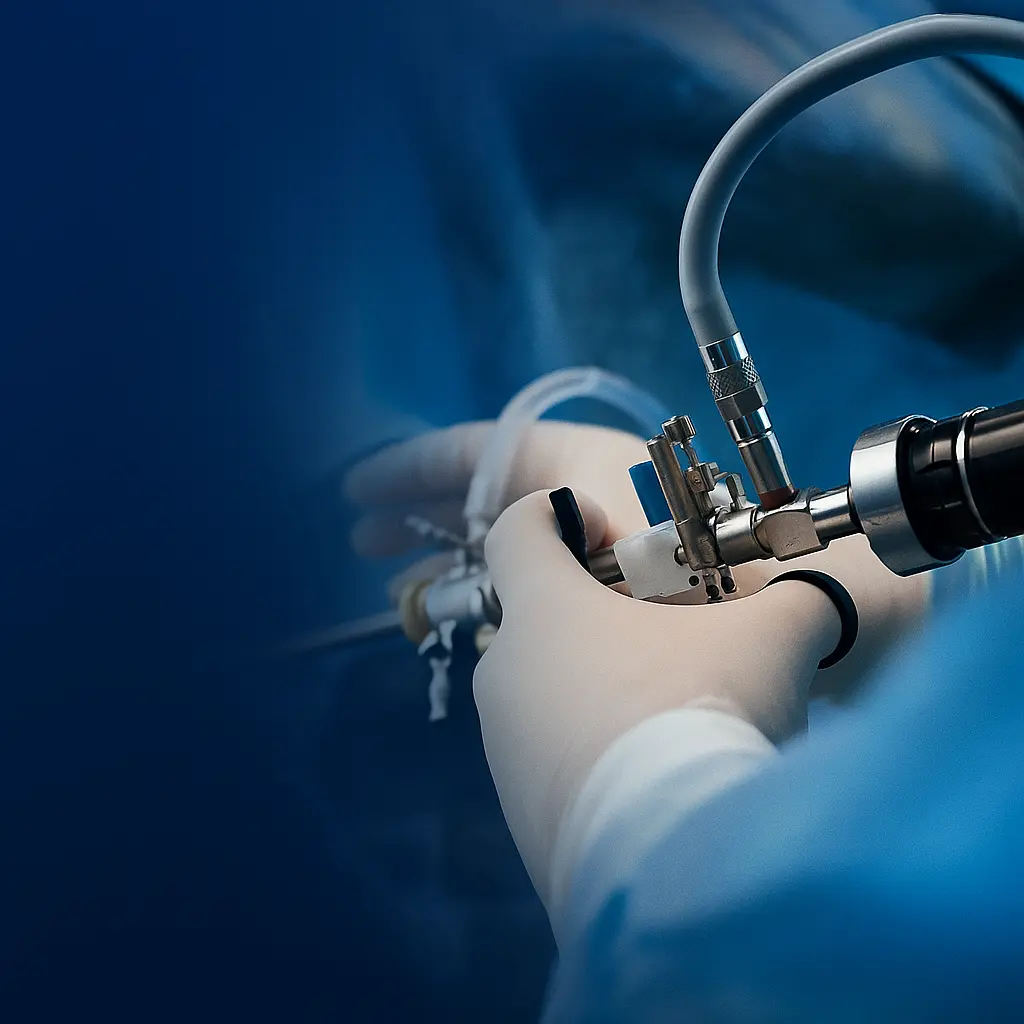
Laser Prostatectomy is a state-of-the-art, minimally invasive technique used to treat Benign Prostatic Hyperplasia (BPH) and certain cases of prostate cancer. Rather than using open surgery, this method relies on laser energy to remove overgrown prostate tissue precisely, helping restore normal urinary function. It offers faster recovery, reduced pain, and significantly fewer complications.

Heals wounds quicker and restores skin faster.

Lowers the chance of infection effectively

Minimizes pain and visible scars

Works well for long-lasting wounds
In collaboration with top urologists and modern hospitals, Easy Med Trip offers both major techniques for Laser Prostatectomy: Holmium Laser Enucleation of the Prostate (HoLEP) and Photoselective Vaporization of the Prostate (PVP)
This technique involves the complete removal of obstructive prostate tissue using a Holmium laser. It is especially suitable for men with large prostates and offers long-lasting relief. HoLEP is known for its effectiveness and is increasingly used worldwide in place of traditional surgeries.
Easy Med Trip is proud to perform HoLEP procedures in as little as 7 minutes, thanks to our highly experienced surgeons and cutting-edge equipment — a competitive edge compared to other centers where the same procedure may take up to 45 minutes. This significantly reduces anesthesia time, surgical risks, and hospitalization.
Patients often ask about HoLEP vs TURP, Life after HoLEP, What to expect after HoLEP surgery, and holep long-term side effects. With Easy Med Trip, you receive clear answers, expert support, and trusted results.
You can also find our services beneficial if you’re searching for:
Holmium laser prostate surgery side effects
Laser Holmium en France
Énucléation prostate effets secondaires
Prostate enucleation techniques
PVP, often referred to as Green Light Laser Prostatectomy, uses high-intensity green laser energy to gradually vaporize excess prostate tissue. It’s typically recommended for men with mild to moderate BPH and is known for minimal bleeding and fast recovery.
There’s a lot of discussion about GreenLight laser prostatectomy vs TURP, Green light laser prostatectomy recovery, and Green light Laser Prostatectomy side effects — our expert team helps you make an informed decision.
Many patients compare Green light laser prostatectomy vs HoLEP, and we guide you through the pros and cons of each technique based on your medical profile.
Easy Med Trip’s medical team also answers common questions such as:
Iran has become one of the leading medical destinations in the Middle East for treating complex conditions like prostate cancer and BPH. Thousands of patients from Arab countries, Central Asia, and Europe choose Iran due to:
If you’re looking for the Cost of Green light laser prostate surgery, Easy Med Trip offers transparent and customizable packages based on the hospital, technology, and level of care. You’ll receive high-quality treatment at a fraction of the cost in Europe or the Gulf countries — without hidden fees
While Laser Prostatectomy is safe, some mild and temporary symptoms may occur:
Following your surgeon’s instructions can minimize these effects and ensure a smooth recovery.
Many patients ask, When can I have sex after prostate surgery? Usually, it’s safe after 3–4 weeks, but always confirm with your doctor.
Speak with a medical advisor today or fill out our online consultation form — we’ll get back to you within 24 hours.
About Laser Prostate Surgery
Both methods are used depending on the patient’s condition.
Laser prostate surgery (such as HoLEP or GreenLight) is usually less invasive, with a shorter recovery time and less bleeding.
However, in some specific cases or when the prostate is very large, open surgery may be a better option.
The final decision should be made by the specialist based on the patient’s overall health, prostate size, and other factors.
Laser prostate surgery is generally safe, but it may cause some temporary side effects, such as:
Burning sensation or frequent urination for a few weeks after the procedure
Blood in the urine for a short period
Temporary urinary leakage or incontinence
Retrograde ejaculation (semen flowing backward into the bladder)
In rare cases, damage to the urethra or the need for repeat surgery
Most of these complications are temporary and resolve with proper care.
In general, prostate surgery—whether open or laser—is considered medically safe, especially when performed by an experienced surgeon.
However, like any surgery, it carries certain risks such as bleeding, infection, urinary problems, or temporary incontinence.
Choosing the right surgical method and following your doctor’s advice can significantly reduce the risk of complications.
In this procedure, the surgeon inserts a laser fiber through the urethra to remove or vaporize the excess prostate tissue that blocks urine flow.
The surgery is performed through the urethra without any abdominal incision.
Its main advantages include less bleeding, shorter hospital stay, less pain, and a faster return to daily activities.
WhatsApp us
Loading packages...